
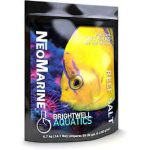
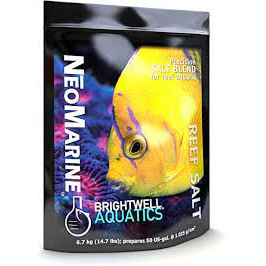
Brightwell Aquatics NeoMarine Reef Salt 6.7kg, stand up pouch
April 17, 2026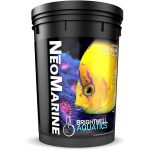
Brightwell Aquatics Neomarine Reef Salt, gasketed pail
April 17, 2026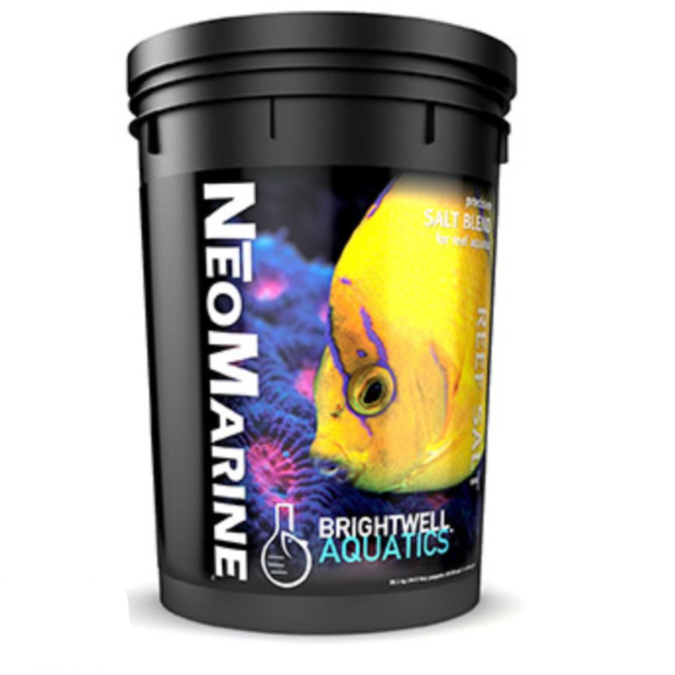
Brightwell Aquatics NeoMarine Reef Salt reclosable polybag inside heavy wall corrugated box
RM413.00
15 in stock
Technical Overview
Marine chemists estimate that the chemical composition of seawater has remained relatively constant over the past several hundred-million years (perhaps longer than the last billion years); this stability is largely a result of the immense volume of the ocean and the physical, chemical, geological, and biological processes taking place within it. The so-called “modern day” corals largely responsible for building reefs in tropical marine environments have been in existence for well over 200-million years (soft corals have been around much longer than that!), and more primitive life forms (such as sponges) have been around still longer, collectively evolving and thriving in relatively stable chemical conditions. Recent findings by advanced aquarists and scientists in many countries confirm what has long been suspected: there is no obvious benefit to maintaining the concentrations of calcium and other elements depleted by reef-building organisms at grossly elevated levels; in fact, this practice can be detrimental to their long-term survival. All of these points taken into consideration, it seems elementary to replicate the most important aspects of natural chemical composition of seawater as closely as possible to properly care for delicate marine creatures in captivity. The single most important contributor to success with a marine aquarium is maintaining water parameters within tolerable ranges; no amount of lighting and filtration can compensate for water that is lacking in numerous essential elements and that does not meet the criteria required for survival by marine organisms. A successful marine aquarium therefore begins with quality seawater.
Caution: Keep out of reach of children. Not for human consumption. Generates slight heat when added to water; do not handle NēoMarine with wet hands. Contact with dry product may cause skin and/or eye irritation. In case of eye contact, flush eyes with cool water and seek immediate medical attention.
Water changes in all marine aquaria should be made weekly to help maintain the natural seawater ionic ratios. The addition of supplements (which add elements that are affected by both biological and chemical interactions (non-conservative elements), as well as others that are not affected by these processes (conservative elements) and therefore accumulate with time unless removed with water changes), the depletion of various non-conservative elements, loss of salt to the external environment through water spraying, interaction of various elements with organic matter in the aquarium, and removal of elements via chemical filtration all alter the ionic ratio of the water. Weekly water changes of at least 5% of the total volume of water in the system will help counter these processes and provide a more stable environment for ornamental marine organisms. Note that if an aquarium is established with an inexpensive synthetic salt blend lacking adequate concentrations of non-conservative
| Weight | 20.1 kg |
|---|---|
| Dimensions | 40 × 40 × 40 cm |
Only logged in customers who have purchased this product may leave a review.
Related products
-
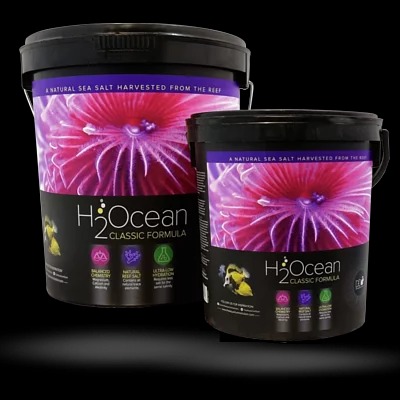
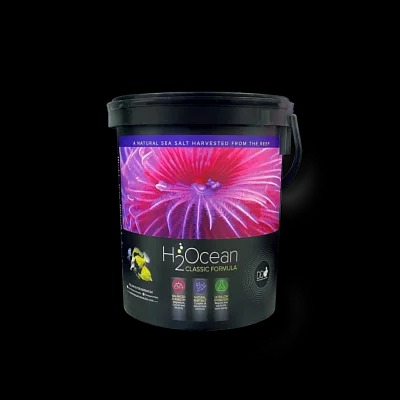
D-D H2Ocean Classic Formula Salt
Price range: RM145.00 through RM395.00H2Ocean Natural Reef Salt H2Ocean Pro+ is a pro formula aquarium salt with a strong reputation for quality and consistant parameters, producing fantastic results for reef hobbyists […]
-
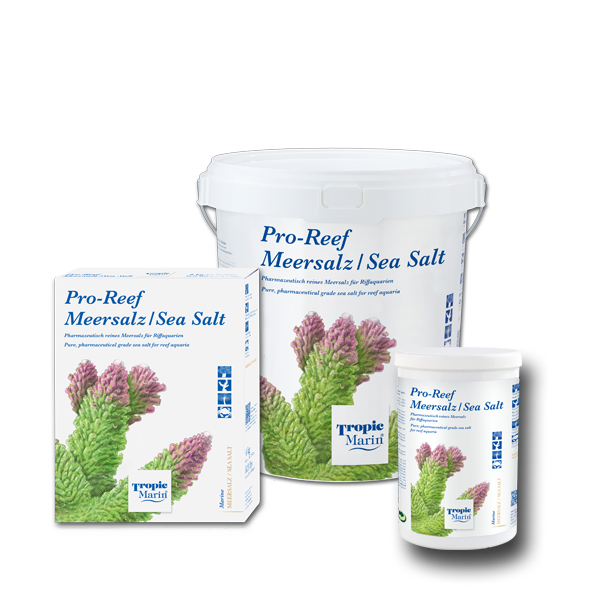
Tropic Marin Pro-Reef Sea Salt
Price range: RM75.00 through RM490.00Tropic Marin PRO-REEF SEA SALT Sea salt especially for modern reef aquaria Product description Tropic Marin® PRO-REEF sea salt has been designed to meet the special requirements of […]
-
Brightwell Aquatics NeoMarine Reef Salt 6.7kg, stand up pouch
RM198.00Technical Overview Marine chemists estimate that the chemical composition of seawater has remained relatively constant over the past several hundred-million years (perhaps longer than the last […]
Reviews
There are no reviews yet.